May 28, 2026
In the healthcare sector, people have been talking about digitization for years. However, we rarely see what happens after the presentations, strategies, and approved projects—when the technology has to be integrated into a hospital that’s already up and running, with staff, outdated infrastructure, constant pressure, and decisions that need to be made quickly.
This publication starts right here: with real-life examples of hospitals and laboratories in Romania that have gone through this process and have reached the point where digitization is already part of their daily practice.
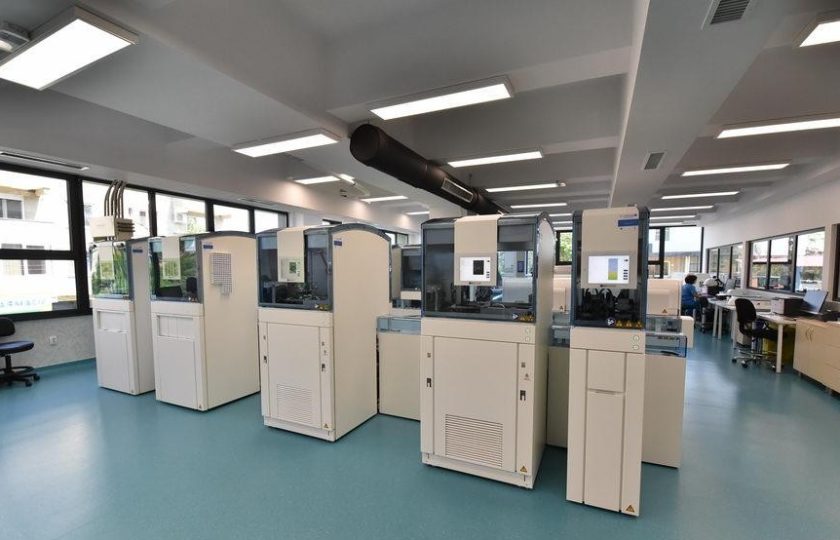
The following pages feature examples of systems that have already been implemented—laboratories that process large volumes of test results, which are delivered more quickly to doctors, and digital infrastructures that are being gradually integrated into public and private hospitals in Romania.
In all these places, the questions were almost the same: why do you start, how do you implement it, how do you fund it, what changes in practice, and how difficult is it to see the project through to the end. The answers, however, varied.
In Oradea, the transformation began with the need to reorganize a fragmented healthcare system and to build a laboratory capable of serving one of Romania’s largest hospitals.
In Suceava, the decision was made quickly, following an entrepreneurial model that emphasized speed and implementation without unnecessary steps.
In Târgu Mureş, at an emergency hospital where work never stops, the digital transformation was built around response speed and clinical integration.
The second project in Mureş had a different challenge: transforming a large public hospital with existing infrastructure, multiple projects underway simultaneously, and administrative teams under pressure.
In Cluj, the discussion about digitization is already moving beyond the lab—toward interoperability, digital infrastructure, and systems capable of communicating with one another.
None of these projects are alike. The technology differs. The pace differs. The resources differ. What remains constant, however, is something else: the decision to get started and the ability to persevere even when implementation becomes complicated.
The examples on the following pages also highlight something important for the Romanian healthcare system: digitization is no longer just a theoretical discussion. There are already hospitals and laboratories where these systems are in operation, generating results and changing the way medical information is shared.
In addition to the case studies, this publication also includes complementary perspectives on funding, legislation, interoperability, digital infrastructure, and artificial intelligence in laboratory medicine—topics that will shape the next phase of digital transformation in healthcare.
This publication is part of the dialogue that HealthTech Forum Europe has been fostering for nearly a decade on innovation and the digital transformation of the healthcare system—in collaboration with hospitals, industry, academia, and policymakers.
Discussions will continue at the 9th edition of the HealthTech Forum 2026, which will take place on November 5–6, 2026, in Bucharest.