November 18, 2026
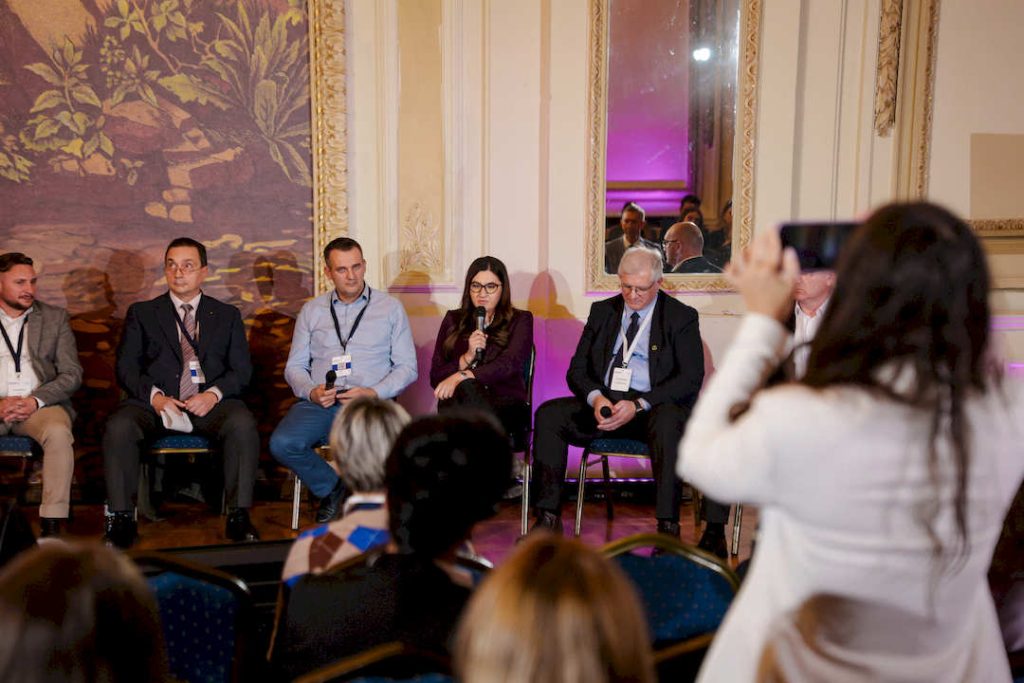
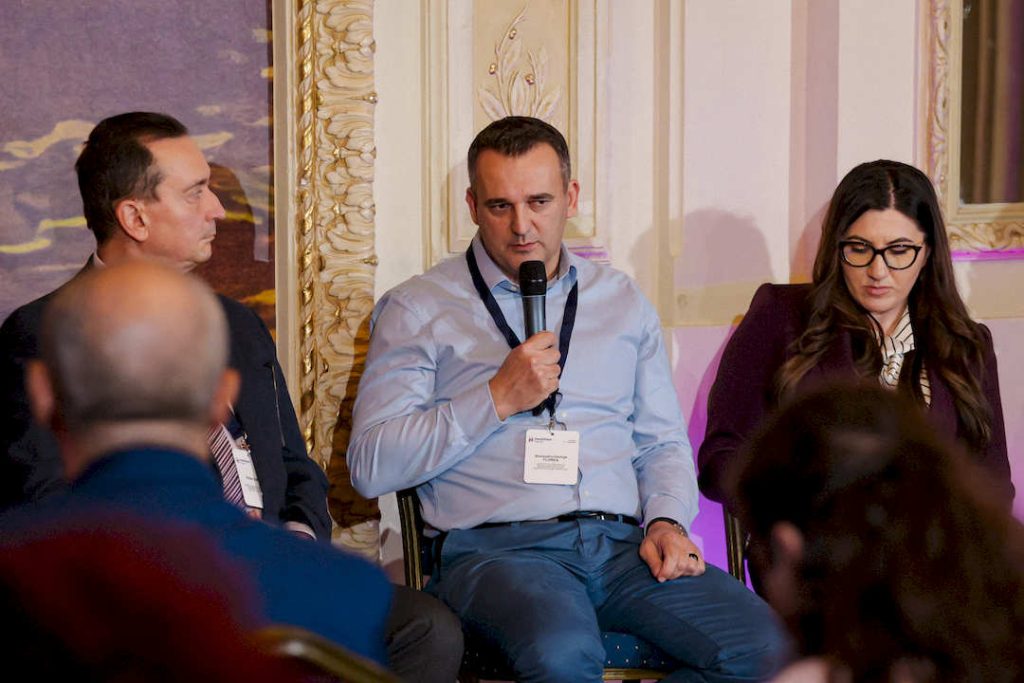
The digitization of hospitals must yield measurable benefits for patients and medical staff, not just add new applications and equipment. This is one of the main conclusions of the 9th edition of the HealthTech Forum, held November 5–6, 2026, at the Bucharest Chamber of Commerce and Industry, under the theme “Smart and Interoperable Hospitals.”
The event brought together managers from public and private hospitals, doctors, representatives of government agencies and academia, technology specialists, and international experts to explore ways to make the healthcare system more efficient, safer, and better connected. The discussions highlighted six key areas: the digitization of hospital operations, funding for technology investments, the responsible use of medical data, system interoperability, the integration of artificial intelligence into medical practice, and recognition of the role of bioengineers in hospitals.
A smart hospital is a hospital where technology simplifies day-to-day operations
The first panel, dedicated to digital operations management, showed that clinical digitization is not enough if administrative processes, equipment maintenance, logistics, and resource coordination continue to operate through fragmented procedures. The experiences shared by hospital managers demonstrated that digital transformation can begin regardless of the size of the healthcare facility.
At the “Prof. Dr. Dimitrie Gerota” Emergency Hospital in Bucharest, the digitization of administrative workflows has begun within the current infrastructure, in parallel with preparations for the new hospital. At the “Prof. Dr. Eduard Apetrei” Hospital in Buhuși, process automation and the use of artificial intelligence-based solutions aim to reduce repetitive tasks and improve patient relations. International examples and presentations by industry representatives highlighted the importance of process standardization, the collection of accurate data, and the involvement of medical staff in the design and testing of solutions.
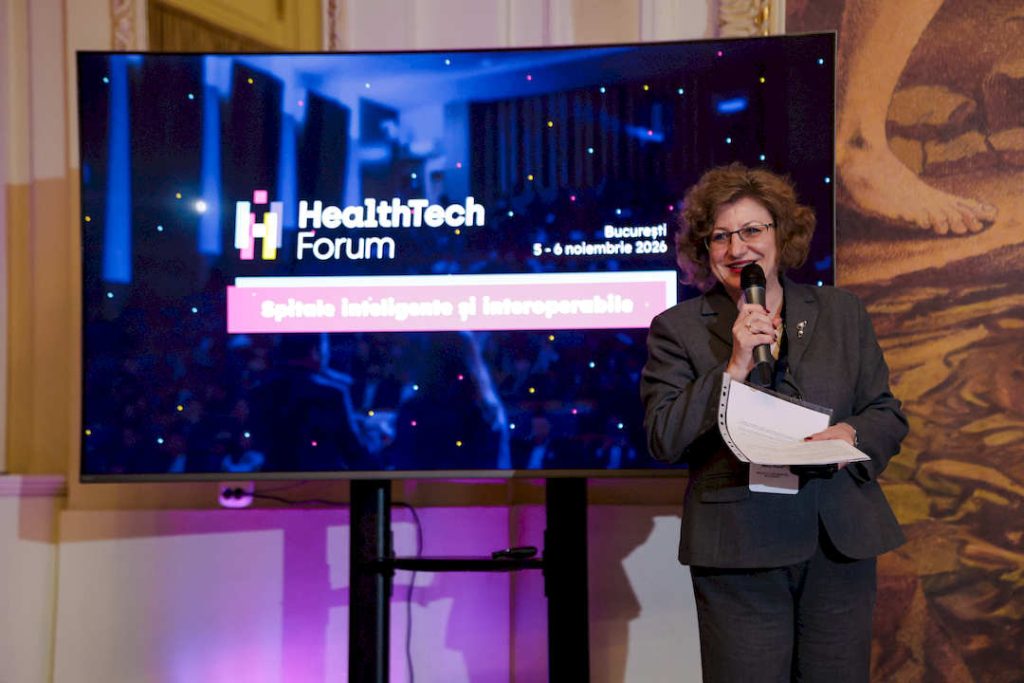
Dr. Elena Ovreiu, founder of the HealthTech Forum, emphasized the importance of organizational change:
“When we talk about a smart hospital, we often think of high-performance equipment, artificial intelligence, or advanced IT systems. But true transformation begins when these technologies improve day-to-day operations. A hospital needs to know in real time what resources it has available, where bottlenecks are occurring, and how it can intervene before they affect patient care. It is equally important that doctors and the entire staff participate in this change, rather than simply being given off-the-shelf technological solutions. The HealthTech Forum aims to bring together different experiences and perspectives so that digitization becomes a practical process, supported by management and focused on results.”


Funding Digitalization: From Equipment Procurement to Patient Outcomes
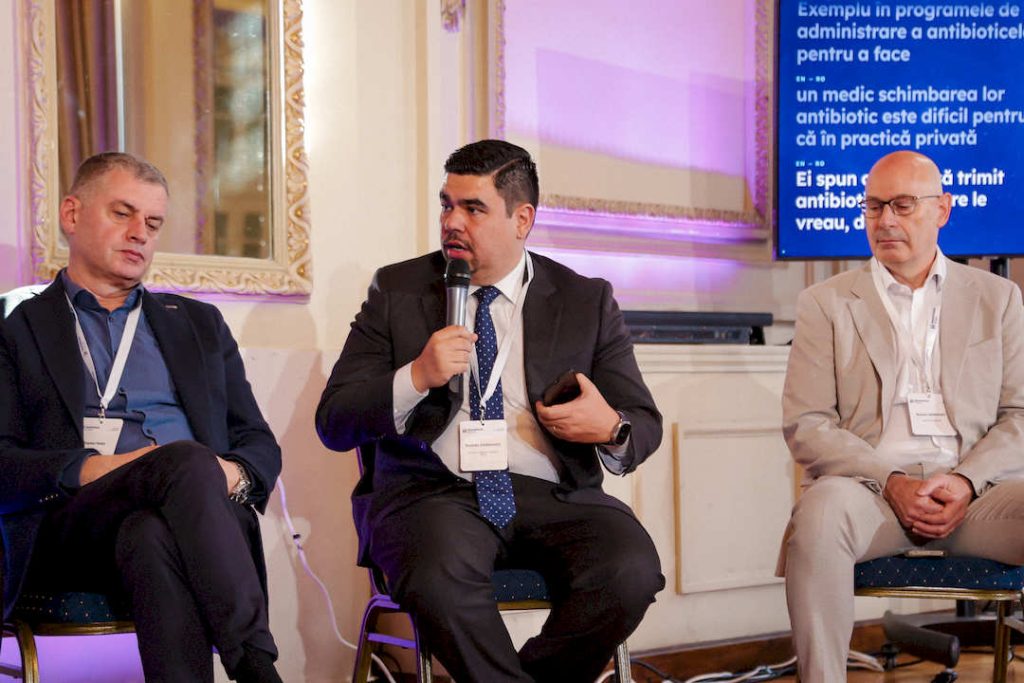
The panel on funding discussed the possibility of introducing mechanisms to encourage hospitals to invest in digitization and advanced medical technologies. Participants emphasized that the mere acquisition of IT solutions should not be a sufficient criterion for differentiated funding. Indicators are needed that reflect improvements in service quality, patient safety, efficient use of resources, and clinical outcomes.
Prof. Dr. Lucian Eva, director of the “Prof. Dr. Nicolae Oblu” Emergency Clinical Hospital in Iași, emphasized the need to recognize the complexity of medical care and to invest in advanced technologies. From the perspective of medical product suppliers, there was support for evaluating the actual benefits of technology based on clinical evidence and its impact on patients. The debate did not announce a funding mechanism that had already been adopted, but rather outlined the criteria that should be considered in such an approach.
Medical data must be transmitted securely, without the patient having to act as a messenger between institutions
Responsible and ethical data management was addressed from the perspectives of interoperability, privacy, cybersecurity, and patient trust. Participants highlighted the challenges posed by the fragmentation of information across hospitals, laboratories, medical offices, and pharmacies, as well as the need to prepare for the requirements of the European Health Data Space.
An important takeaway from the debate was that cybersecurity is also a patient safety issue: the unavailability of IT systems can directly affect the continuity of care. Experts recommended periodically testing incident response plans, clarifying responsibilities between hospitals and technology providers, and developing mechanisms for accessing information that do not exclude patients with limited digital literacy.


Interoperability: A Practical Guide and Proposals for Pilot Projects
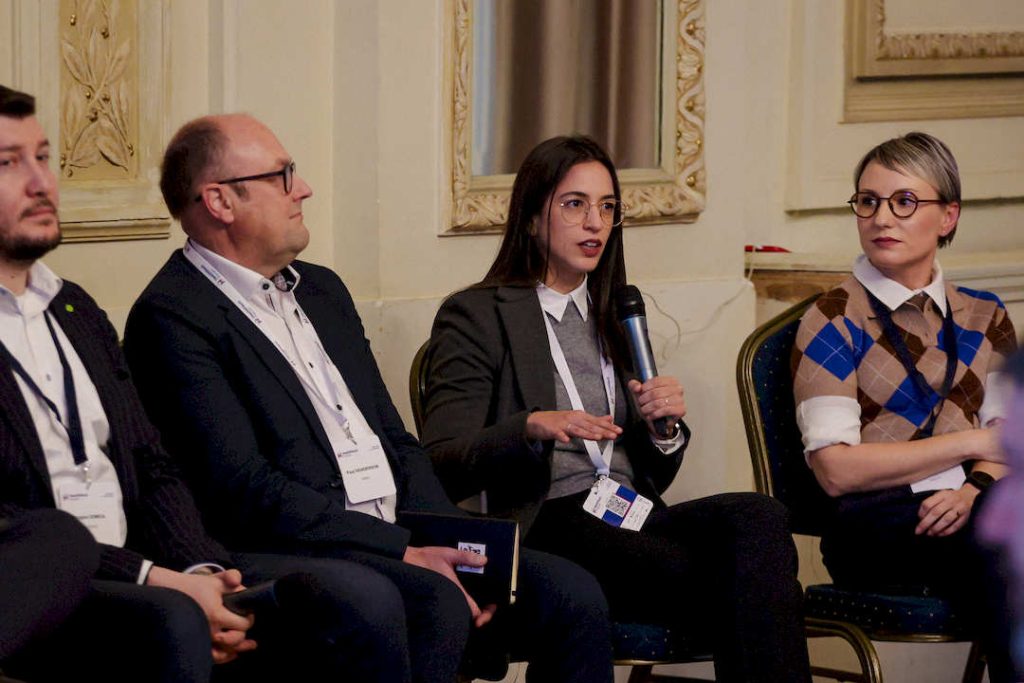
One of the concrete outcomes presented at the HealthTech Forum 2026 was the Guide on the Interoperability of Hospital Information Systems, developed by a working group that brought together representatives from hospitals, government agencies, and technology companies. The initiative began with the identification of the challenges hospitals face in exchanging and using medical data.
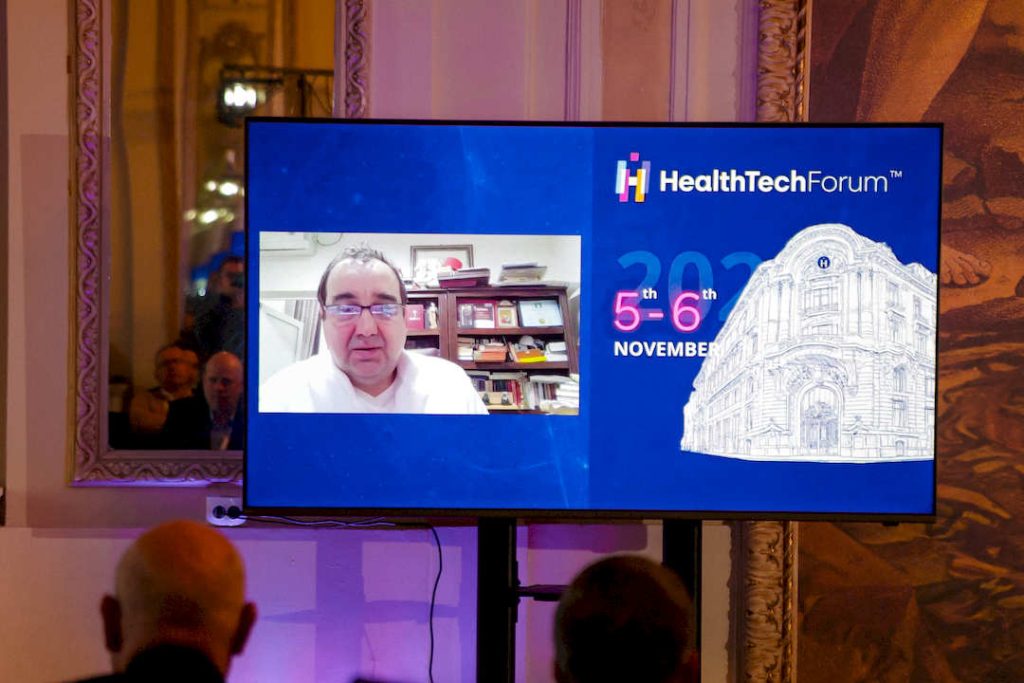
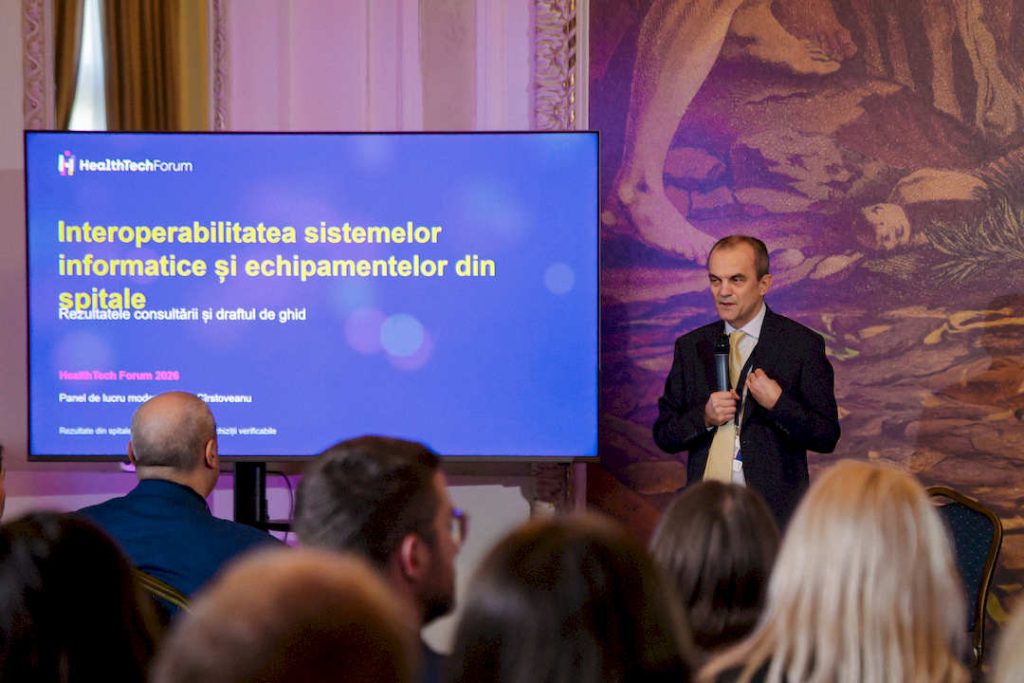
The guide provides recommendations for defining procurement requirements, testing IT integrations, migrating data when changing providers, information security, and establishing operational responsibilities. During the panel discussion moderated by Associate Professor Cătălin Cîrstoveanu, Ph.D., international examples were also discussed, including Colombia’s experience in standardizing the exchange of medical data.
One proposed approach for the next phase is to test the recommendations in two or three hospitals with different profiles before rolling out solutions on a larger scale.
Associate Professor Cătălin Cîrstoveanu, M.D., of the “Marie S. Curie” Emergency Children’s Clinical Hospital in Bucharest, highlighted the need to turn recommendations into concrete results: “In a hospital, medical information must be available where it is needed, when it is needed. It is not normal for a doctor to waste time searching for data in different systems or for a patient to have to carry documents between institutions. Interoperability must become a verifiable requirement, not just a promise in a digitization project. We need clear procurement rules, the real ability to transfer data between systems, and the testing of solutions under clinical conditions. The guide discussed at the HealthTech Forum is a starting point. The next challenge is to demonstrate, through concrete projects, that these recommendations can streamline hospital operations and improve patient care.”
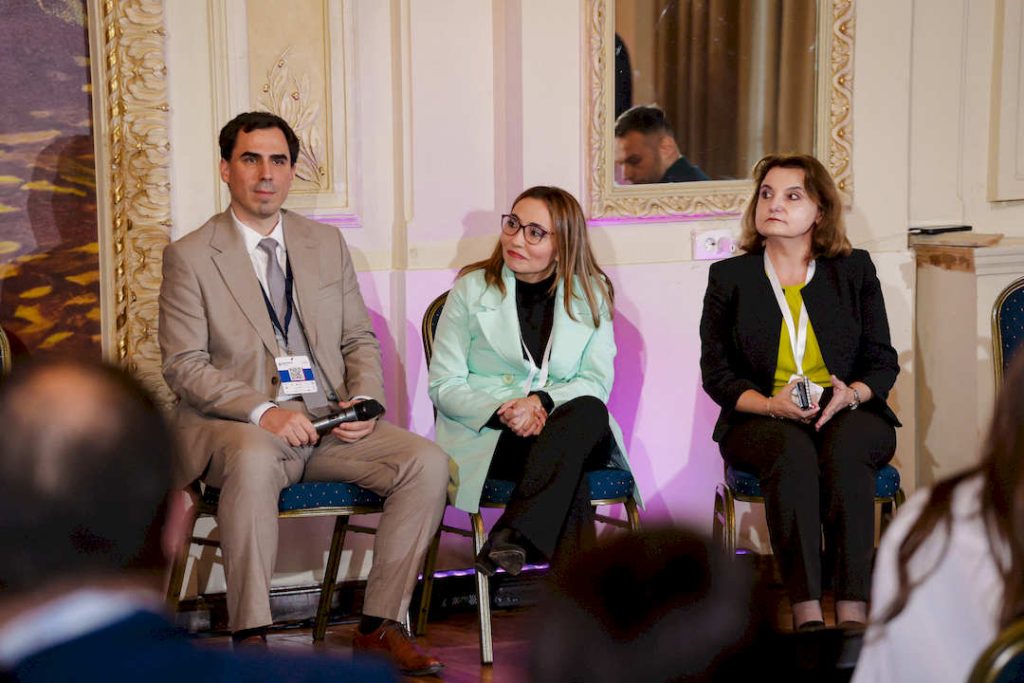
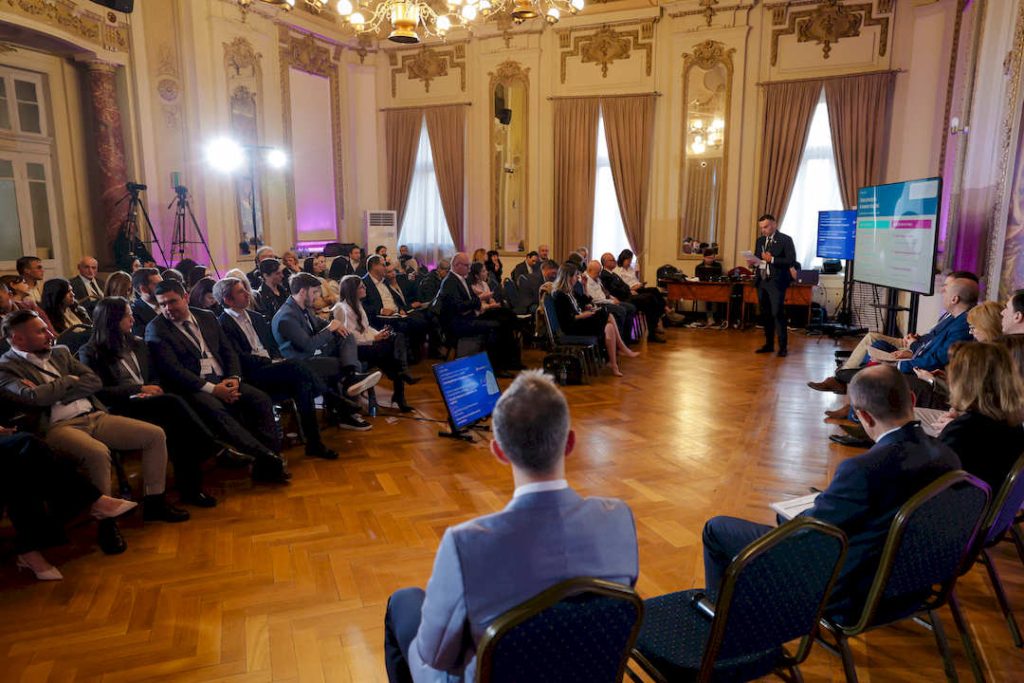
Artificial intelligence can free up doctors' time for patients
The discussion on artificial intelligence in medicine highlighted both the technological opportunities and the limitations of using AI in diagnosis and treatment. Participants discussed medical image analysis, support for surgical planning, early detection of lesions, and the use of virtual assistants for scheduling appointments, gathering preliminary information, and drafting medical records.
A key benefit is the reduction in the time doctors spend on administrative tasks, allowing them to devote more attention to patients. The risks associated with self-diagnosis using AI tools, false-positive results, and the use of incomplete data were also analyzed.
The consensus was that AI should support medical decision-making, not replace the physician’s responsibility and clinical judgment.
Romania trains bioengineers, but hospitals need to be able to make use of these skills
The final panel highlighted a professional resource that is essential to the operation of modern hospitals: bioengineers and medical engineers. The experiences shared by hospital representatives showed that these specialists help oversee equipment, prevent malfunctions, coordinate technical interventions, and facilitate communication between medical staff and technology providers.
The debate highlighted the need to clarify professional responsibilities, the framework for employment and compensation, and to strengthen collaboration between universities, hospitals, and industry. Participants also discussed the need for professional representation to support recognition of the role of bioengineers in the healthcare system.

From Debate to Implementation: Priorities Emerging from the HealthTech Forum 2026
The conclusions from the six discussion tracks point to a common need: the shift from isolated technology projects to a coordinated transformation of hospital operations. Among the priorities highlighted are the definition of common standards for the exchange of medical data, the assessment of the benefits of digital investments, the development of professionals’ skills, the responsible integration of AI, and the strengthening of cybersecurity.
A concrete next step is to build on the work of the interoperability working group and explore the possibility of pilot projects in hospitals. The HealthTech Forum aims to continue the dialogue among healthcare professionals, authorities, universities, and companies so that the recommendations made can contribute to solutions that can be implemented in the healthcare system.
About the HealthTech Forum 2026
The 9th edition of the HealthTech Forum, held November 5–6, 2026, at the Bucharest Chamber of Commerce and Industry under the theme “Smart and Interoperable Hospitals, ” brought together hospital administrators, doctors, and representatives from government agencies, academia, and technology companies to discuss the modernization of the healthcare system.
The HealthTech Forum 2026 was held with the support of partners who promote dialogue and collaboration among healthcare professionals, government authorities, academia, and the medical technology industry: Giv Solutions, Clinomic Romania, InfoWorld, Tremend Publicis Sapient, Medtronic, Philips, IQVIA, Docviser, Soft31, Innovate IT, POLITEHNICA University of Bucharest, “Gr. T. Popa” University of Medicine and Pharmacy in Iași, Right Partner, the Association of Public Hospitals, the Association of Medical Product Suppliers, the HL7 Association, the Romanian United Foundation, Global Romania, PALMED, the National Institute for Research and Development in Informatics, the AI Human Leadership Organization, the Romanian Society of Anesthesia and Intensive Care, and the Bucharest Chamber of Commerce and Industry. Organizer: Oameni și Companii.