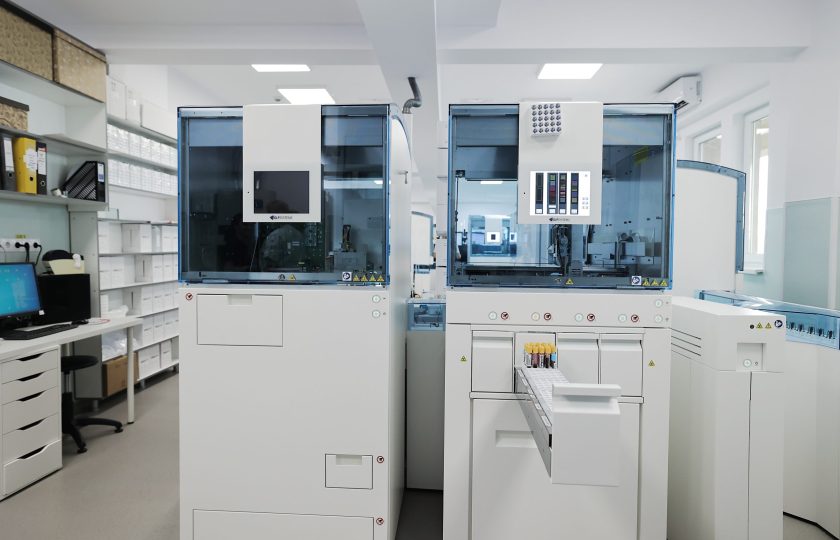
November 17, 2026
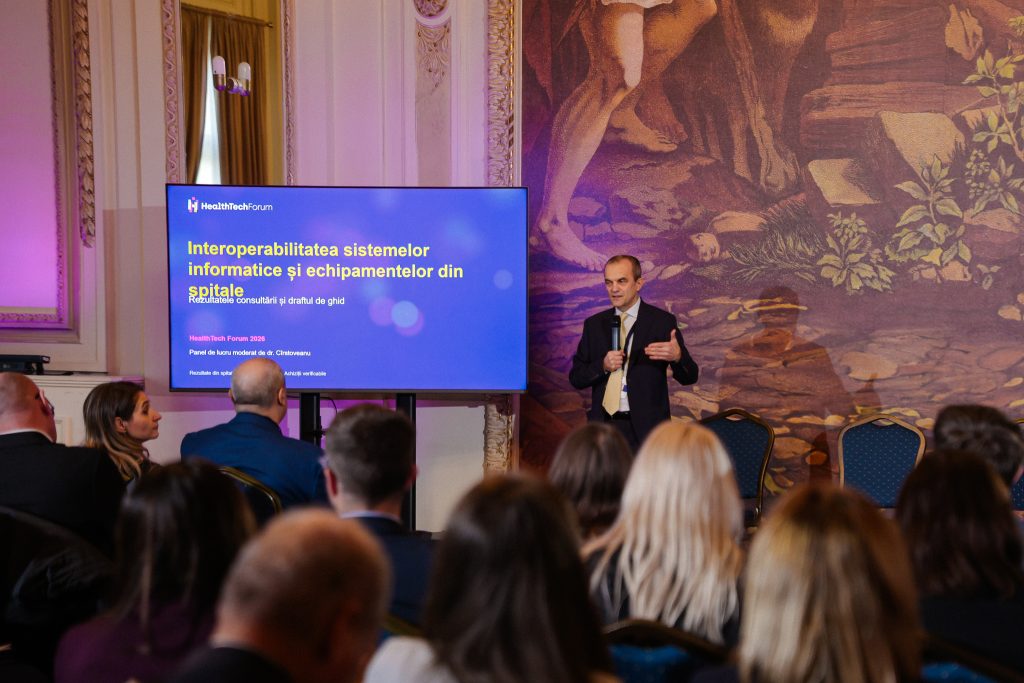
Interoperability can no longer remain merely a technical requirement listed in the specifications. Hospitals need systems that communicate effectively, data that is accessible at the right time, and clear responsibilities for each stage of digitization. This was the central message of the panel on interoperability, held as part of the HealthTech Forum 2026, where the conclusions of a working group and a proposal for a practical guide for Romanian hospitals were presented.
The 9th edition of the HealthTech Forum, held November 5–6, 2026, at the Bucharest Chamber of Commerce and Industry under the theme “Smart and Interoperable Hospitals,” brought together hospital managers, physicians, government officials, IT specialists, and technology providers. The panel discussion “Interoperability of Hospital Information Systems and Equipment,” moderated by Associate Professor Cătălin Cîrstoveanu, Ph.D., aimed to transform the challenges identified in hospital operations into concrete recommendations applicable to digitization projects.
Hospitals have IT systems, but information does not flow sufficiently
At the start of the debate, the results of the surveys completed by hospitals participating in the HealthTech Forum initiative on interoperability assessment were presented. The responses highlighted an uneven level of system integration. Laboratories and imaging are among the areas where IT connections already exist, but difficulties persist in managing admissions and discharges, clinical documentation, scheduling, and the exchange of information with other institutions.
Paper documents, incomplete or inconsistent data, manual reporting, and disconnected equipment continue to create additional work for healthcare staff. A particularly significant issue is the reliance on software vendors. In the absence of clear rules regarding data export and migration between systems, switching to a new application can become a difficult, costly, and risky process for business continuity.
“We cannot remain trapped by problems that are 25–30 years old,” emphasized Associate Professor Cătălin Cîrstoveanu, Ph.D., stressing the need for verifiable procedures for the transfer of information.


A Guide to Procurement, Integration, and Clear Responsibilities
A key outcome of the HealthTech Forum initiative is the development of a set of recommendations for hospital interoperability, based on the issues identified and the contributions of the working group. The document proposes that IT projects begin by defining clinical needs and data flows, rather than simply listing technical standards.
Among the recommendations presented are the inclusion of measurable requirements in the specifications, testing integrations using real-world clinical scenarios prior to acceptance, verifying data export and migration, and establishing the contractual responsibilities of hospitals and vendors. Special attention was given to business continuity, data recovery procedures, and the human resources required to manage the systems.
Participants emphasized that interoperability must be funded and maintained over the long term. Purchasing an application does not mark the end of the project, and hospitals need IT specialists and dedicated budgets for operation and maintenance. It was also proposed to organize a pilot project in two or three hospitals with different profiles, in which workflows, standards, indicators, and testing procedures would be validated prior to any potential expansion.
The Colombian Experience: National Standards and Collaboration Among Hospitals
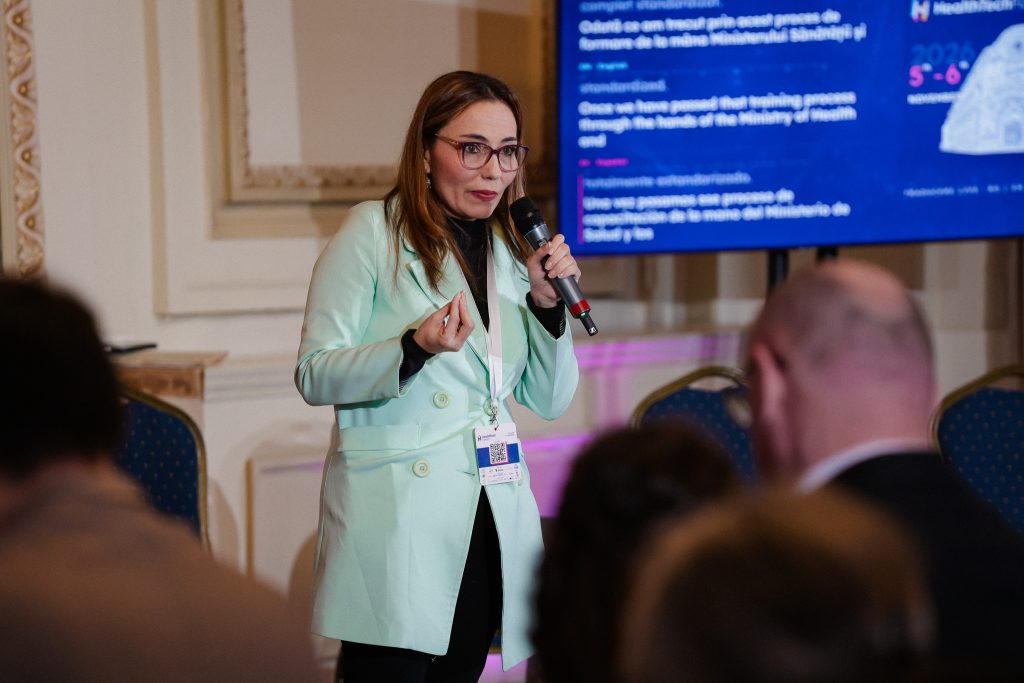
An international example was presented by Yandira Farah Botero, Chief Medical Information Officer at Hospital Pablo Tobón Uribe in Medellín, Colombia. She described the process by which Colombia established a minimum set of medical data to be exchanged between institutions, using the HL7 FHIR standard and common coding rules. The model involves verifying the patient’s identity, structuring clinical information, and transmitting it to a central system so that it can later be accessed by other authorized healthcare institutions.
The implementation required not only technological developments but also staff training, collaboration with software providers, and testing the systems using simulated clinical cases. The representative from the Colombian hospital noted that the project also involved supporting smaller medical institutions with limited technical resources.
The experience described here demonstrates that nationwide interoperability requires standardization, coordination, and support mechanisms for all categories of hospitals, not just those that are digitally advanced.

The data exists, but it isn't always where doctors need it
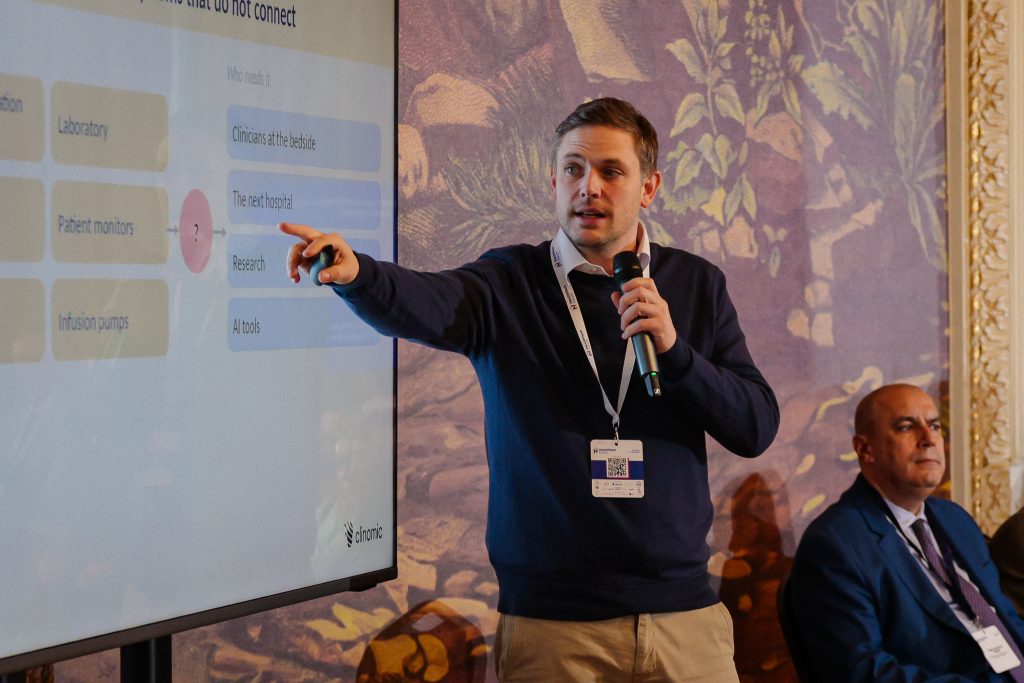
Arne Peine, CTO and co-founder of Clinomic, addressed the fragmentation of information from the perspective of both the clinician and the technology developer. IT systems, medical equipment, and departmental applications generate significant volumes of data, but this data is often stored separately and described using different terminologies. The problem is not always the lack of information, but rather the inability to use it when making a clinical decision.
Arne Peine highlighted the role of common standards and structured data, including for the development of artificial intelligence solutions. Without coherent and accessible information, the benefits of these technologies remain limited. The discussion also highlighted the importance of preparing for the requirements of the European Health Data Space, which will emphasize the need for secure and standardized exchange of medical information.
Interoperability must deliver clinical benefits, not just technical connections
During the discussion with representatives from hospitals and government agencies, interoperability was also examined from the perspective of the practical use of data. The discussion focused on ways to monitor compliance with clinical protocols, provide timely alerts for necessary interventions, automatically generate medical records, and reduce the need to re-enter the same information.
Representatives of public institutions emphasized the importance of accurately defining needs prior to procurement, coordination among institutions, and the development of technical expertise in hospitals. In addition, data exchange must be supported by secure infrastructure, stable communications, and protective measures designed from the outset.
At the end of the panel discussion, Vasile Dorca, Managing Director of Clinomic Romania, called for expanding the assessment of digital maturity and moving from recommendations to implementation. “I think we talk a lot, and we should do more than just talk,” he said.
From Recommendations to Demonstrable Projects
The panel concluded that Romania needs a coordinated approach in which hospitals, authorities, and technology providers assume specific responsibilities. The guide developed as part of the HealthTech Forum initiative can serve as a practical tool for formulating procurement requirements, testing integrations, and reducing dependence on vendors.
The next proposed step is to validate the recommendations through pilot projects with measurable results and the potential for replication. True interoperability means not only connecting applications, but also ensuring the continuity of information throughout the patient’s journey—securely, without data loss, and without unnecessary administrative tasks for healthcare staff.
The HealthTech Forum 2026 was held with the support of partners who promote dialogue and collaboration among healthcare professionals, government authorities, academia, and the medical technology industry: Giv Solutions, Clinomic Romania, InfoWorld, Tremend Publicis Sapient, Medtronic, Philips, IQVIA, Docviser, Soft31, Innovate IT, POLITEHNICA University of Bucharest, “Gr. T. Popa” University of Medicine and Pharmacy in Iași, Right Partner, the Association of Public Hospitals, the Association of Medical Product Suppliers, the HL7 Association, the Romanian United Foundation, Global Romania, PALMED, the National Institute for Research and Development in Informatics, the AI Human Leadership Organization, the Romanian Society of Anesthesia and Intensive Care, and the Bucharest Chamber of Commerce and Industry. Organizer: Oameni și Companii.