November 12, 2026
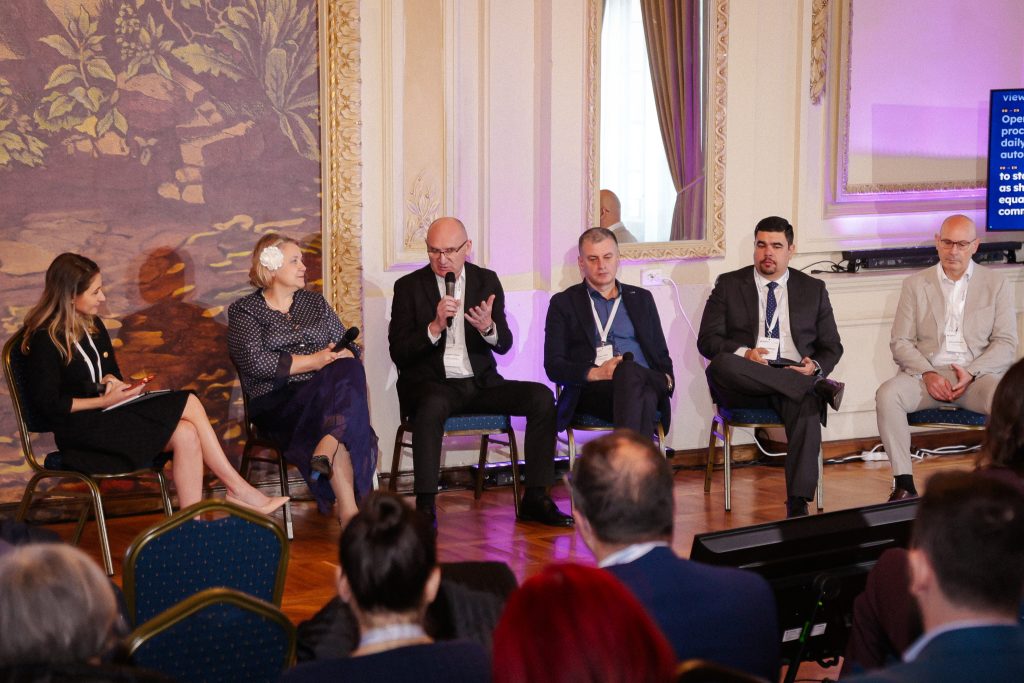
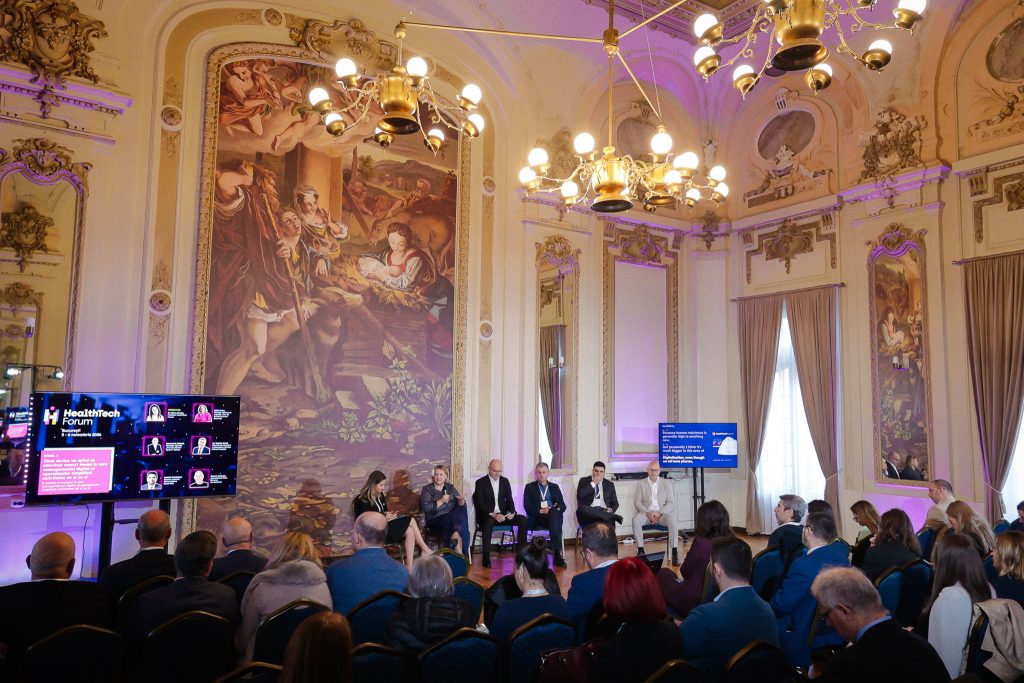
This was one of the main conclusions of the first panel at the HealthTech Forum 2026, dedicated to the digital management of hospital operations. The ninth edition of the HealthTech Forum, held on November 5–6, 2026, at the Bucharest Chamber of Commerce and Industry under the theme “Smart and Interoperable Hospitals,” brought together hospital managers, doctors, government officials, technology specialists, and international experts to identify concrete solutions for modernizing the healthcare system.
The panel discussion titled “When Does a Hospital Become Truly ‘Smart’? How Digital Operations Management Simplifies Day-to-Day Work” highlighted experiences from public and private hospitals in Romania and Costa Rica.
Digitization must start with processes and people's needs
Alida Moise, manager of the “Prof. Dr. Dimitrie Gerota” Emergency Hospital, explained that preparations for the new hospital’s operation have already begun through the gradual digitization of medical and administrative workflows at the current facility.
One example is the electronic workflow for financial and administrative documents, which allows them to be approved and processed without using paper. The goal for the future hospital is to integrate clinical and operational information so that staff can check in real time the availability of supplies, the operating room schedule, and the resources needed for patient care.
“You can’t plan a project for the next 30–50 years just as you’re about to move into it,” Alida Moise emphasized, highlighting the importance of organizational preparation before the infrastructure is completed.
The experience of the “Prof. Dr. Eduard Apetrei” Hospital in Buhuși, presented by manager Constantin Poiană, demonstrated that digitization is not limited to large medical facilities. According to the data presented, over 60% of the hospital’s workflows have been digitized. Among the solutions implemented are an AI assistant that provides information to patients, a system for automatically transcribing consultations into medical records—which are subsequently validated by a physician—and patient monitoring technologies that send alerts to medical staff.
“Let’s make our work easier, let’s try to make it run more smoothly, and let’s try to be closer to our patients,” explained Constantin Poiană.
Artificial intelligence can increase efficiency, but it needs to be controlled
From the private sector’s perspective, Dr. BogdanPană, Director of Research and Development at Ovidius Clinical Hospital in Constanța, presented the hospital’s experience with using artificial intelligence to streamline administrative processes. The hospital is testing approximately 12 AI agents, including ones designed to centralize the data needed to calculate doctors’ compensation—a task that previously required manually processing information from numerous files.
At the same time, the risks associated with the uncontrolled use of AI applications were highlighted, particularly when they process medical data. Taking stock of the tools used, conducting risk assessments, and performing human verification of results have become essential responsibilities for hospital management.
Data must be turned into decisions, not just reports
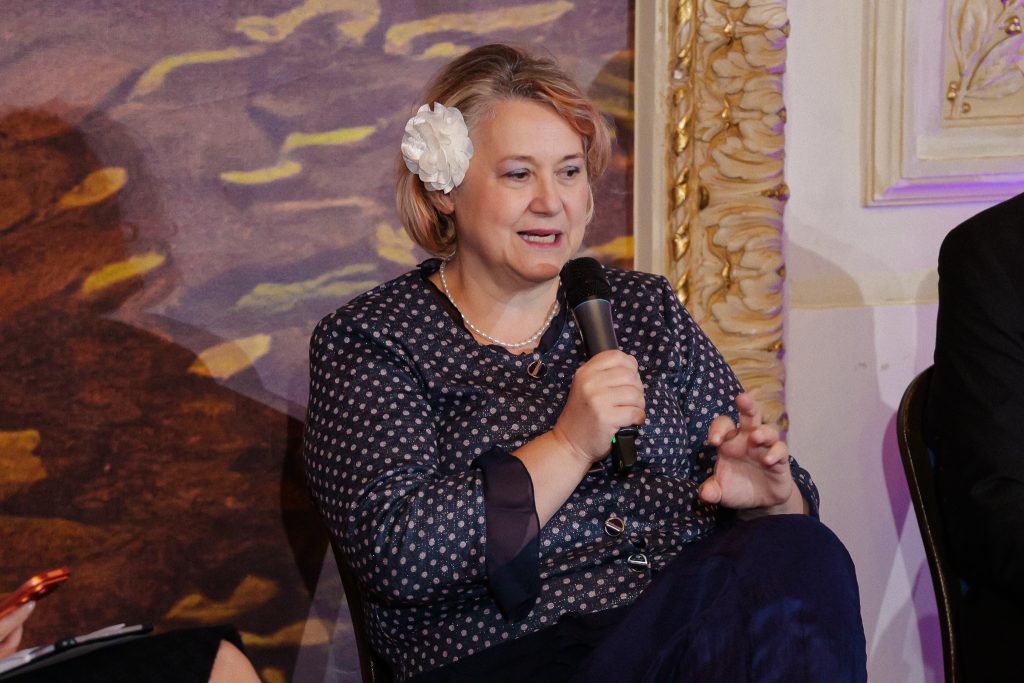
International guests contributed to the discussion with insights on process standardization, organizational culture, and integrated resource management. Rodolfo Garbanzo, Medical Director of Hospital Clínica Bíblica in Costa Rica, highlighted the role of quality standards and the involvement of medical staff in embracing change. The hospital’s experience shows that technology produces sustainable results when it supports well-defined processes and a culture focused on patient safety.
From the perspective of technology providers, Ramon Horkany, International Sales Director at Giv Solutions, emphasized the need to transform the data collected by hospital systems into relevant information and concrete actions. One example discussed was the management of a technical malfunction: the same problem can have different consequences depending on whether it affects an administrative area or an operating room. An intelligent system must identify the context, establish priorities, and facilitate intervention.
Digital transformation is, first and foremost, an organizational change
At the conclusion of the panel discussion, participants identified several priorities for hospitals seeking to accelerate their digital transformation: staff training and engagement, collecting accurate data, streamlining processes prior to automation, and management support for change. The discussion highlighted that a hospital becomes truly smart not when it has the most technology, but when it succeeds in integrating that technology into a coherent system that saves time, optimizes resources, and allows medical staff to focus more on the patient.
The HealthTech Forum 2026 was held with the support of partners who promote dialogue and collaboration among healthcare professionals, government authorities, academia, and the medical technology industry: Giv Solutions, Clinomic Romania, InfoWorld, Tremend Publicis Sapient, Medtronic, Philips, IQVIA, Docviser, Soft31, Innovate IT, POLITEHNICA University of Bucharest, “Gr. T. Popa” University of Medicine and Pharmacy in Iași, Right Partner, the Association of Public Hospitals, the Association of Medical Product Suppliers, the HL7 Association, the Romanian United Foundation, Global Romania, PALMED, the National Institute for Research and Development in Informatics, the AI Human Leadership Organization, the Romanian Society of Anesthesia and Intensive Care, and the Bucharest Chamber of Commerce and Industry. Organizer: Oameni și Companii.