November 13, 2026
The 9th edition of the HealthTech Forum, held on November 5–6, 2026, at the Bucharest Chamber of Commerce and Industry, under the theme “Smart and Interoperable Hospitals, ” brought together representatives from hospitals, government agencies, academia, and the medical industry to identify concrete solutions for modernizing the healthcare system.
The second panel, moderated by Dr. Andrei Baciu, brought together the perspectives of hospital administrators, funders, accrediting bodies, and the industry, starting with a key question: How can digital transformation be encouraged through funding mechanisms?
Funding should reflect results, not merely the purchase of technology
Mihaela Nedelcu, President of the Bucharest Municipal Health Insurance House (CASMB), emphasized that simply purchasing an IT system or an artificial intelligence-based solution does not automatically justify additional funding. What should be evaluated are the results produced by the technology: improved service quality, reduced errors, simplified reporting, more efficient use of resources, and an optimized patient journey.
An important objective of the digitization projects being considered by CASMB is interoperability, which could reduce redundant administrative tasks and the fragmentation of information among institutions and healthcare providers.
“The patient should not have to be his or her own navigator,” emphasized Mihaela Nedelcu, highlighting the need for a coherent and predictable medical pathway. At the same time, she acknowledged the existence of imbalances in hospital funding and the need to reassess weighted-case rates—decisions that, however, fall under the jurisdiction of the National Health Insurance House (CNAS) and the Ministry of Health.
Medical performance and the use of technology should be recognized in funding
Prof. Dr. Lucian Eva, director of the “Prof. Dr. Nicolae Oblu” Emergency Clinical Hospital in Iași, presented concrete examples of the impact of technology on the safety of neurosurgical patients. Neuronavigation systems, electrophysiological monitoring, surgical microscopes, and advanced radiosurgery technologies help increase the precision of procedures and reduce risks.
He pointed out, however, that technology does not automatically save time. In neurosurgery, preparing for a complex procedure can actually take longer, but the benefit lies in increased safety and quality of care. From a funding perspective, Lucian Eva proposed linking reimbursement rates to medical outcomes, the complexity of cases, the effective use of technology, and the competence of the teams.
One example cited was the inclusion of an analysis of surgical procedure records in the on-call report, a measure that the manager said had helped reduce intraoperative complications. He also emphasized the need for a more efficient allocation of resources and for referring complex cases to centers with the necessary experience and expertise.

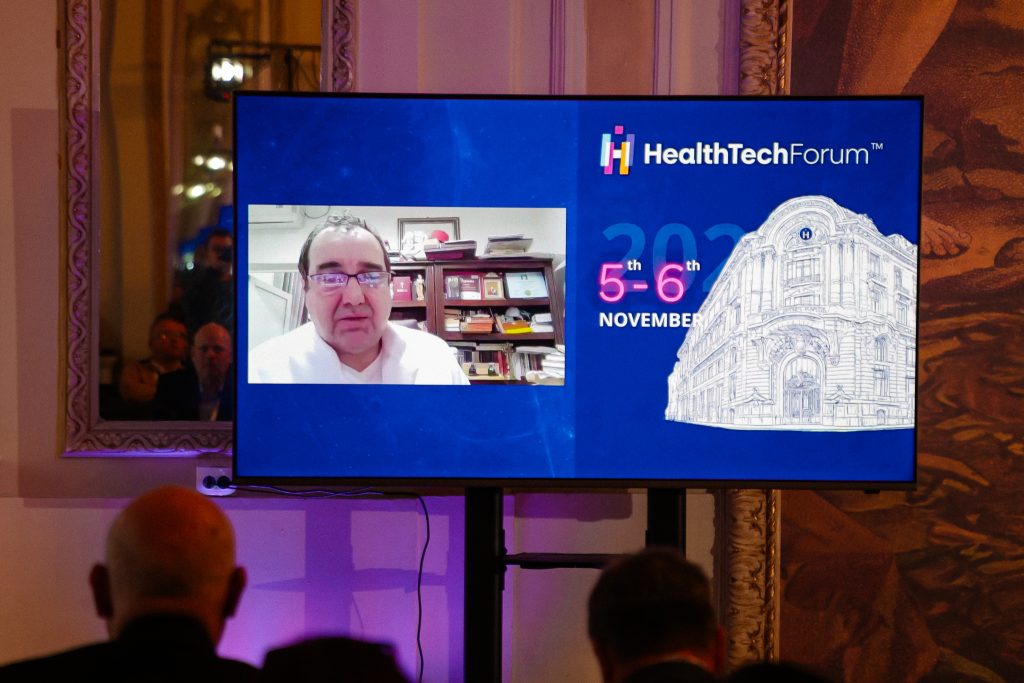

Accreditation must be aimed at patient safety and data quality
Alexandra Iutis, Director of the National Authority for Quality Management in Health (ANMCS), highlighted the inclusion in the new accreditation standards of requirements related to artificial intelligence, interoperability, and data security. The main message was that a digitized hospital is not automatically a safer hospital. Data quality, the responsible use of technology, and the ability of IT systems to communicate are essential for achieving tangible results.
The industry proposes incentivizing investments that demonstrate clinical value
Camelia Pîrvulescu, a representative of the Association of Medical Product Suppliers (AFPM), argued that digital technologies should be evaluated based on their demonstrable benefits for patients, not on commercial promises.
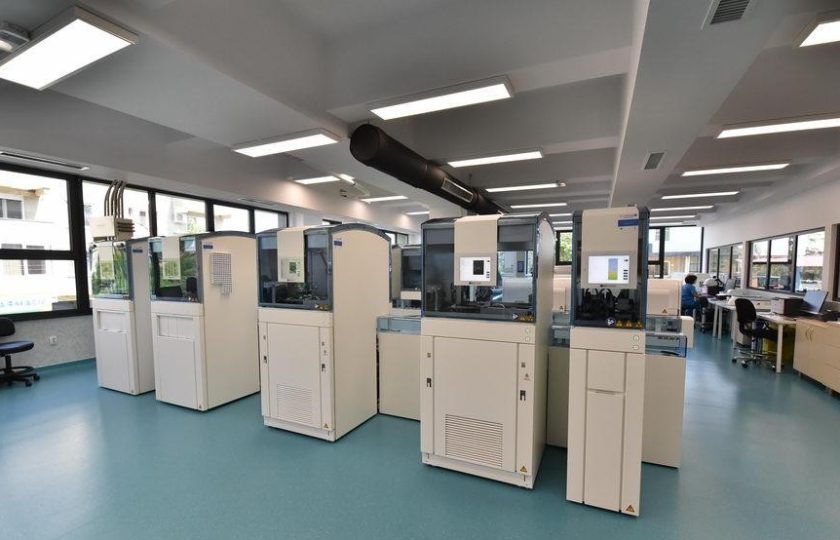
“It is not the technology itself that creates value, but the benefit to the patient,” she said. One example cited was the automation of medical laboratories, which can reduce sample processing time, limit manual interventions, and help improve the quality of results.
From this perspective, it was proposed to examine funding mechanisms that would incentivize laboratories and hospitals that invest in high-performance technologies and achieve measurable results. The AFPM representative also highlighted the importance of institutionalized dialogue between industry, authorities, and healthcare professionals, as well as the need for projects with clear responsibilities and verifiable objectives.
From Investment Financing to Financing Medical Value
The debate highlighted a common view among the participants: digitization must yield tangible benefits for patients and the healthcare system.
However, differing views remain regarding funding mechanisms. While the funder believes that results should be the primary criterion, representatives from hospitals and the industry have advocated for the recognition of performance, expertise, and technological investments that improve medical care.
The panel’s conclusion: Modernizing the health care system requires a shift from funding based primarily on activity and infrastructure to mechanisms that better recognize quality, efficiency, and health outcomes, without losing sight of equitable patient access to services.
The HealthTech Forum 2026 was held with the support of partners who promote dialogue and collaboration among healthcare professionals, government authorities, academia, and the medical technology industry: Giv Solutions, Clinomic Romania, InfoWorld, Tremend Publicis Sapient, Medtronic, Philips, IQVIA, Docviser, Soft31, Innovate IT, POLITEHNICA University of Bucharest, “Gr. T. Popa” University of Medicine and Pharmacy in Iași, Right Partner, the Association of Public Hospitals, the Association of Medical Product Suppliers, the HL7 Association, the Romanian United Foundation, Global Romania, PALMED, the National Institute for Research and Development in Informatics, the AI Human Leadership Organization, the Romanian Society of Anesthesia and Intensive Care, and the Bucharest Chamber of Commerce and Industry. Organizer: Oameni și Companii.